

Greater Phoenix, Arizona
Maricopa County Real Estate
The full Valley picture — from close-in infill to outlying growth corridors. Useful when the right answer is a submarket you haven't considered yet.
- $470K
- Median Home Price
- 55
- Avg. Days on Market
- 25+
- Cities and Towns
Maricopa County contains the entire Phoenix metropolitan area, from urban infill near downtown to the newest growth corridors on the county's edges. Understanding it as one market with many distinct submarkets is what allows buyers and sellers to make good decisions here.
Market Data
Real Estate Market Snapshot
Current conditions for the Maricopa County housing market, explained in plain terms.
Median Home Price
About $470,000
Typical Price Range
$300,000 to $1.5 million
Common Home Styles
Stucco contemporary, ranch, Southwestern, mid-century infill
Average Days on Market
Roughly 50 to 60 days
Appreciation Trend
3% to 5% per year
Inventory Conditions
Balanced countywide, varies by city
The countywide median near $470,000 is a useful benchmark and a poor pricing tool. Paradise Valley and North Scottsdale operate in a different universe than Buckeye or Queen Creek, and even inside a single city the spread between submarkets can exceed $300,000 for similar square footage.
What is consistent countywide is the shift in market conditions. Days on market have normalized around 50 to 60, well above the frenzied 2021 pace, and buyers have regained negotiating room on inspection repairs, rate buydowns, and closing cost contributions. Appreciation has settled into a sustainable three to five percent annual range.
Population growth continues to underpin the market. Maricopa County remains one of the fastest-growing counties in the country, supported by employer expansion in semiconductors, healthcare, aerospace, and logistics. That inbound demand is the structural reason the region absorbs new inventory rather than accumulating it.
Figures reflect recent Maricopa County market activity and are updated periodically. For a current, address-specific analysis, request a valuation.
Living Here
Community and Lifestyle
The county spans dense urban districts, resort corridors, agricultural edges, and mountain preserves, so lifestyle varies significantly by where you land.
Shopping and Dining
Each major submarket has its own retail and dining core, from Old Town Scottsdale and downtown Phoenix's Roosevelt Row to Gilbert's Heritage District, Tempe's Mill Avenue, and the open-air centers in Peoria, Chandler, and Glendale. Grocery, healthcare, and everyday services are dense throughout the urbanized area.
Parks and Recreation
The county maintains one of the largest regional park systems in the nation, including McDowell Mountain, Estrella Mountain, White Tank Mountain, and Lake Pleasant. Add South Mountain Park, the McDowell Sonoran Preserve, and more than 200 golf courses, and outdoor access is available from essentially any address.
Employment and Commuting
Major employment centers include downtown and midtown Phoenix, the Scottsdale Airpark, the Chandler and Tempe technology corridors, the Deer Valley and north Phoenix semiconductor expansion, and the West Valley logistics hubs. An extensive freeway loop system plus Valley Metro light rail connect them, and Sky Harbor sits centrally within roughly 30 minutes of most of the metro.
For Buyers
Why Buyers Choose Maricopa County
Buyers choose Maricopa County for optionality. Within a 45-minute radius you can compare an urban condo, a golf community, an acre in the desert, and a new build with a warranty, all while keeping the same job and school considerations in play.
The economics still work relative to other major metros. Arizona has no inheritance tax, property tax rates are moderate, and housing costs remain below comparable West Coast markets while wages have risen with employer expansion.
Climate and infrastructure round it out. More than 300 days of sunshine, a modern freeway network, and a large international airport make both daily life and travel straightforward.
For Sellers
Why Sellers Benefit
Sustained in-migration keeps the buyer pool refreshed. New residents arrive continuously for employment, retirement, and lifestyle, which supports demand even when local move-up activity slows.
Countywide inventory remains balanced rather than oversupplied. Homes that are priced correctly and presented well continue to sell in a reasonable timeframe across nearly every submarket.
The most important seller decision is local, not regional. Countywide statistics will not price your home. The comparable closings within your specific neighborhood, adjusted for condition, lot, and current competing listings, are what determine the number the market will actually pay.
Thinking about buying or selling in Maricopa County?
Keep Exploring
Other Communities I Serve
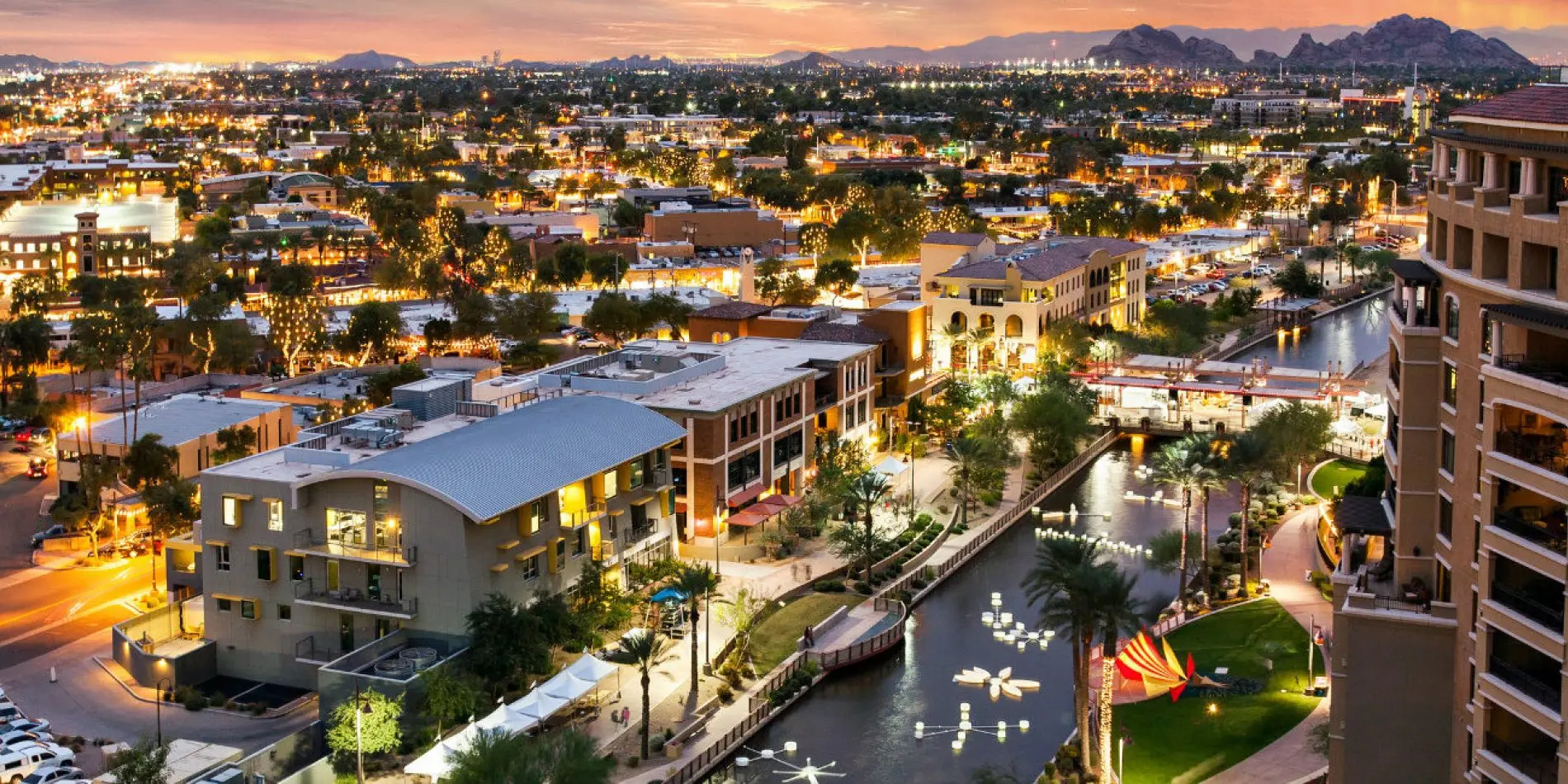
Scottsdale
Desert-modern architecture, walkable Old Town dining, and top-rated schools from the Arcadia edge up through North Scottsdale. The Valley's most consistent resale market.
View Scottsdale →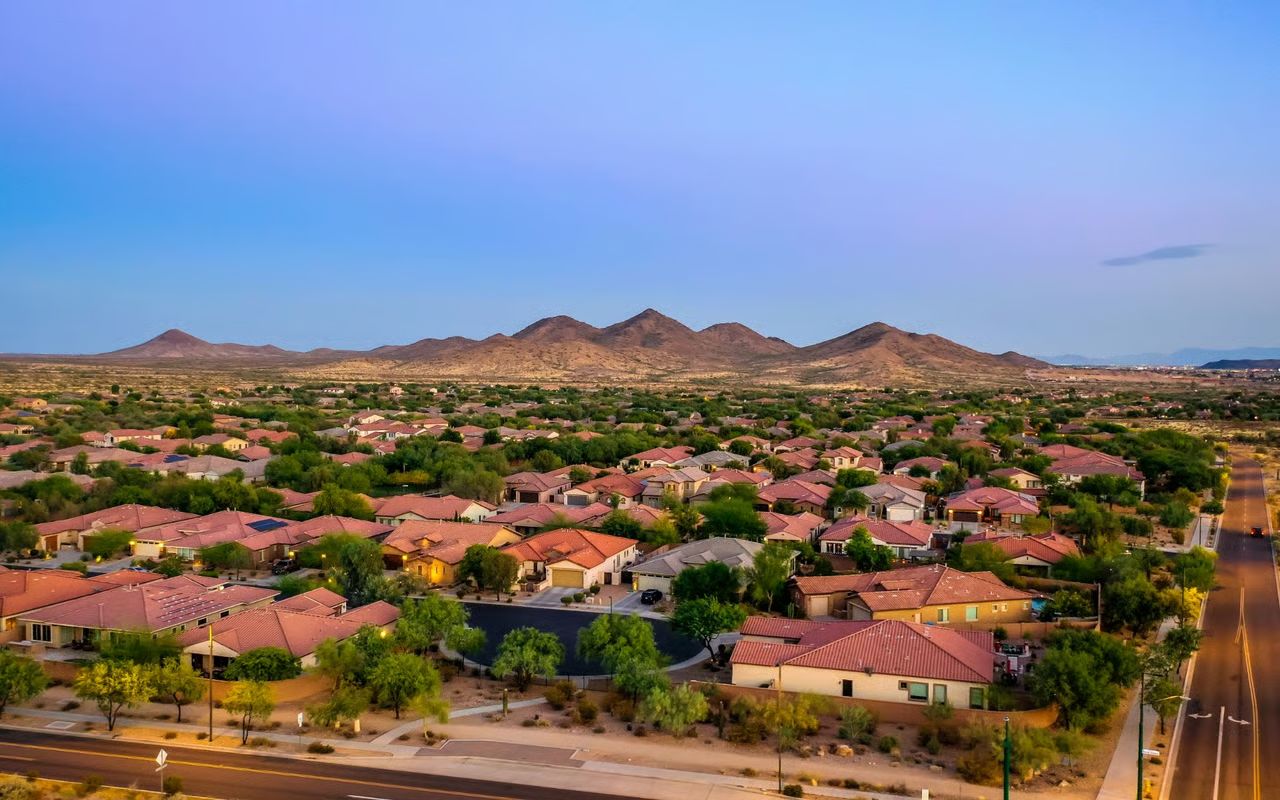
Cave Creek
Larger lots, mature Sonoran landscape, and quiet foothill roads minutes from trailheads. For buyers who want space and dark skies without leaving the north Valley.
View Cave Creek →
Peoria
Polished planned neighborhoods framed by the Sonoran Preserve and Lake Pleasant. Strong parks, sports fields, and value per square foot on the west side.
View Peoria →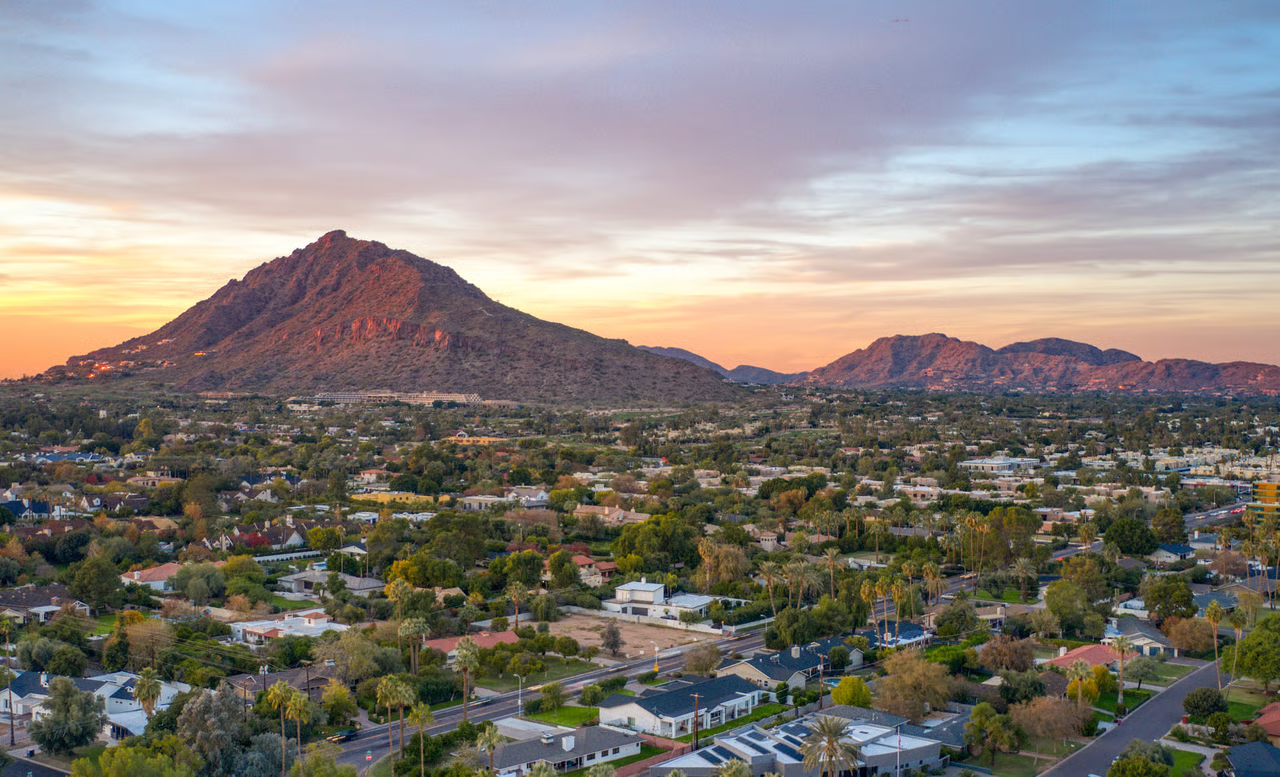
North Phoenix
Newer contemporary communities with fast freeway access and preserve trails at the doorstep. A practical entry point for buyers priced out of Scottsdale.
View North Phoenix →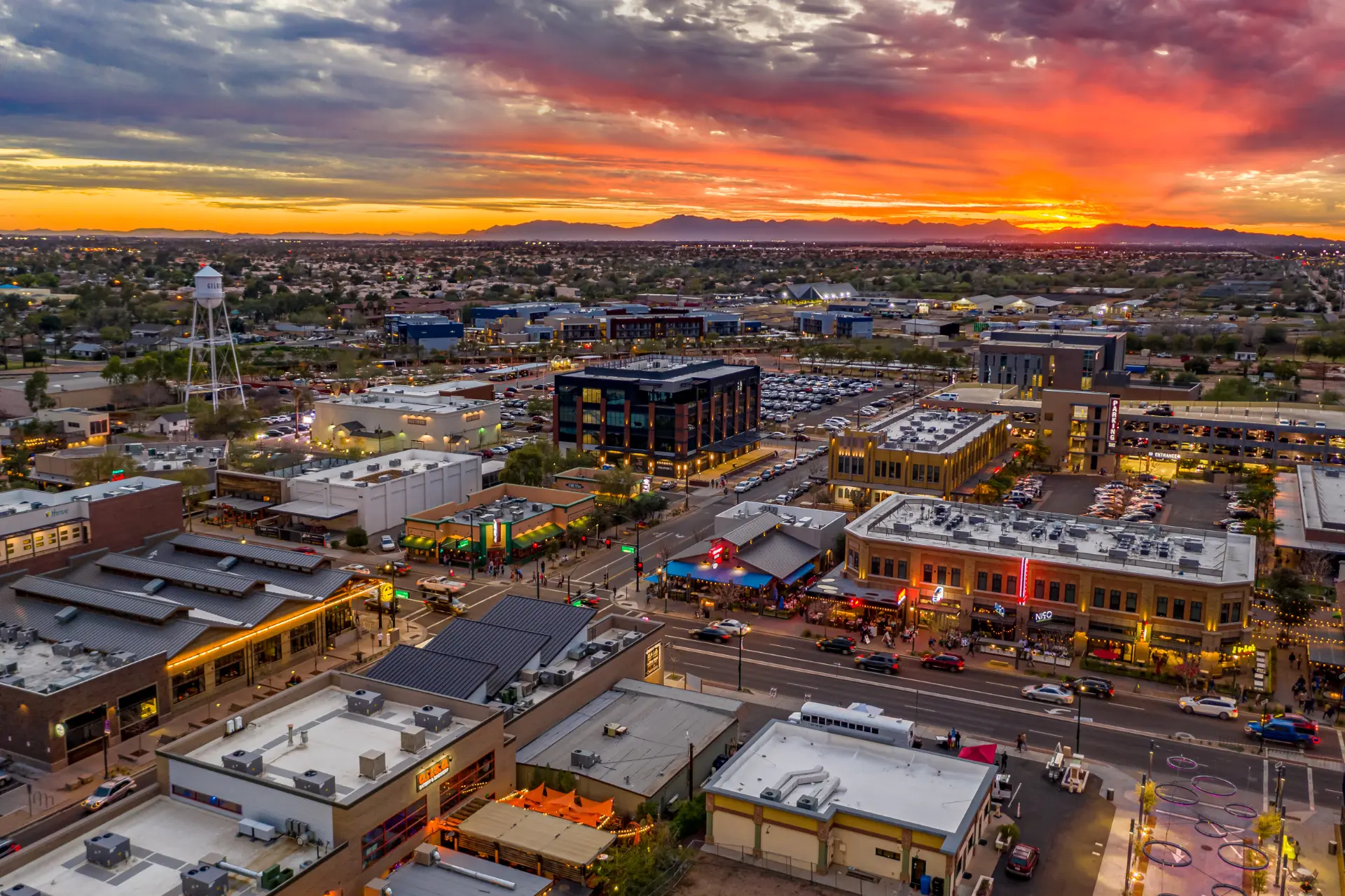
Gilbert
Green, established, and family-anchored, with the Heritage District, farmers markets, and some of the highest-performing schools in Arizona.
View Gilbert →